
About the Program
The Hoover Program on Economic Prosperity
Advancing research on institutions fostering growth and opportunity
The opportunities, social mobility, and high living standards enjoyed by Americans today are a consequence of two centuries of economic growth driven by a market economy and the legal and political institutions that underpin it. In recent years, however, increasing numbers of academics and public officials have argued that changes in technology and demographics make an economic and political system based on markets unviable. The Hoover Program on the Foundations of Economic Prosperity conducts evidence-based research on the institutions and policies that foster economic prosperity amid today’s public policy challenges.
Long-Run Prosperity
Why do prosperous economies develop in some countries and not others? The Long-Run Prosperity Working Group applies approaches from a range of disciplines to understand the mechanics of long-run growth.

Governance of Organizations
The Governance of Organizations Working Group brings together researchers, practitioners, and policymakers to explore how different governance systems—across corporations, universities, crypto protocols, and beyond—shape organizational effectiveness, accountability, and resilience.
Financial Regulation
Which financial regulatory reforms promote economic prosperity? And why do societies find it so difficult to create financial systems that are both efficient and stable? The Financial Regulation Working Group convenes an interdisciplinary network of scholars from economics, finance, law, political science, and history.

Immigration
Immigration policy is one of the most consequential issues that both the United States and the world need to address in coming years. The J-P Conte Initiative on Immigration fosters cutting-edge research and facilitates informed academic and policy debates on the economic effects of immigration.
Conference Organizers
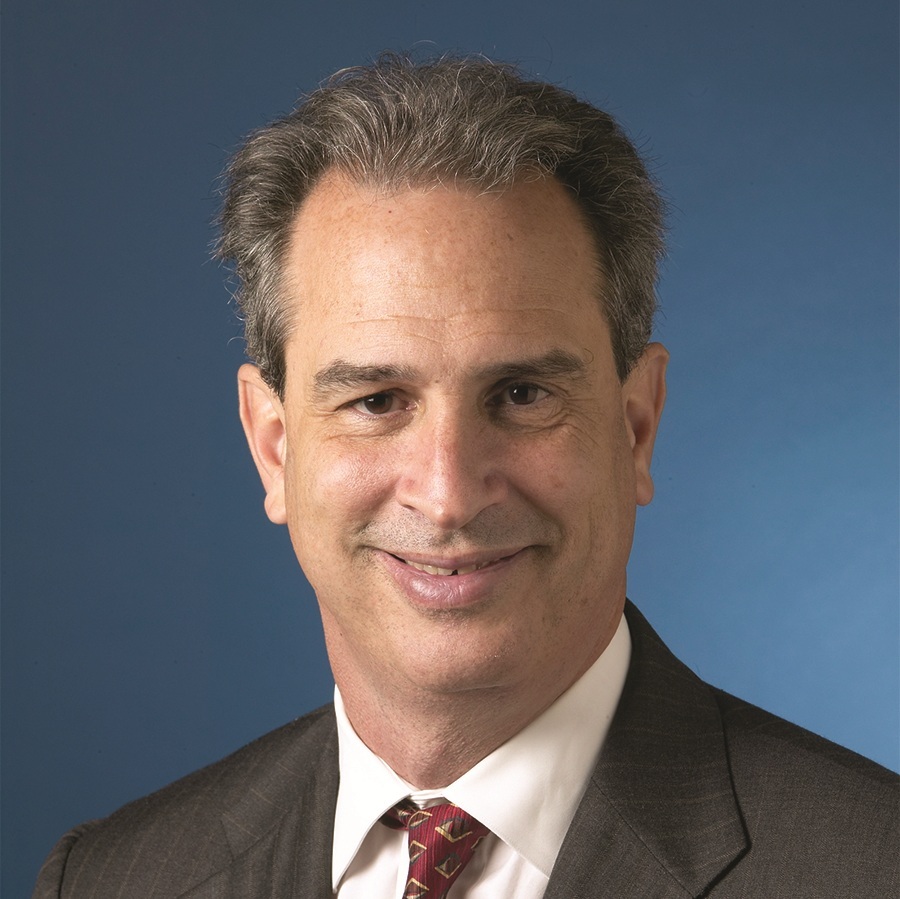
Stephen Haber is the Park L. Loughlin Senior Fellow at the Hoover Institution and director of the Hoover Program on the Foundations for Economic Prosperity. He is the A.A. and Jeanne Welch Milligan Professor in the School of Humanities and Sciences at Stanford University, and senior fellow at the Stanford Institute for Economic Policy Research. In addition, he is a professor of political science, professor of history, and professor of economics (by courtesy).
Haber has spent his career investigating why the world distribution of income so uneven. His papers have been published in economics, history, political science, and law journals. He is the author of five books and the editor of six more. Haber’s most recent books include Fragile by Design with Charles Calomiris (Princeton University Press), which examines how governments and industry incumbents often craft banking regulatory policies in ways that stifle competition and increase systemic risk. The Battle Over Patents (Oxford University Press), a volume edited with Naomi Lamoreaux, documents the development of US-style patent systems and the political fights that have shaped them.
His latest project focuses on a long-standing puzzle in the social sciences: why are prosperous democracies not randomly distributed across the planet, but rather, are geographically clustered? Haber and his coauthors answer this question by using geospatial tools to simulate the ecological conditions that shaped pre-industrial food production and trade. They then employ machine learning methods to elucidate the relationship between ecological conditions and the levels of economic development that emerged across the globe over the past three centuries.
Haber holds a Ph.D. in history from UCLA and has been on the Stanford faculty since 1987. From 1995 to 1998, he served as associate dean for the social sciences and director of Graduate Studies of Stanford’s School of Humanities and Sciences. He is among Stanford’s most distinguished teachers, having been awarded every teaching prize Stanford has to offer.
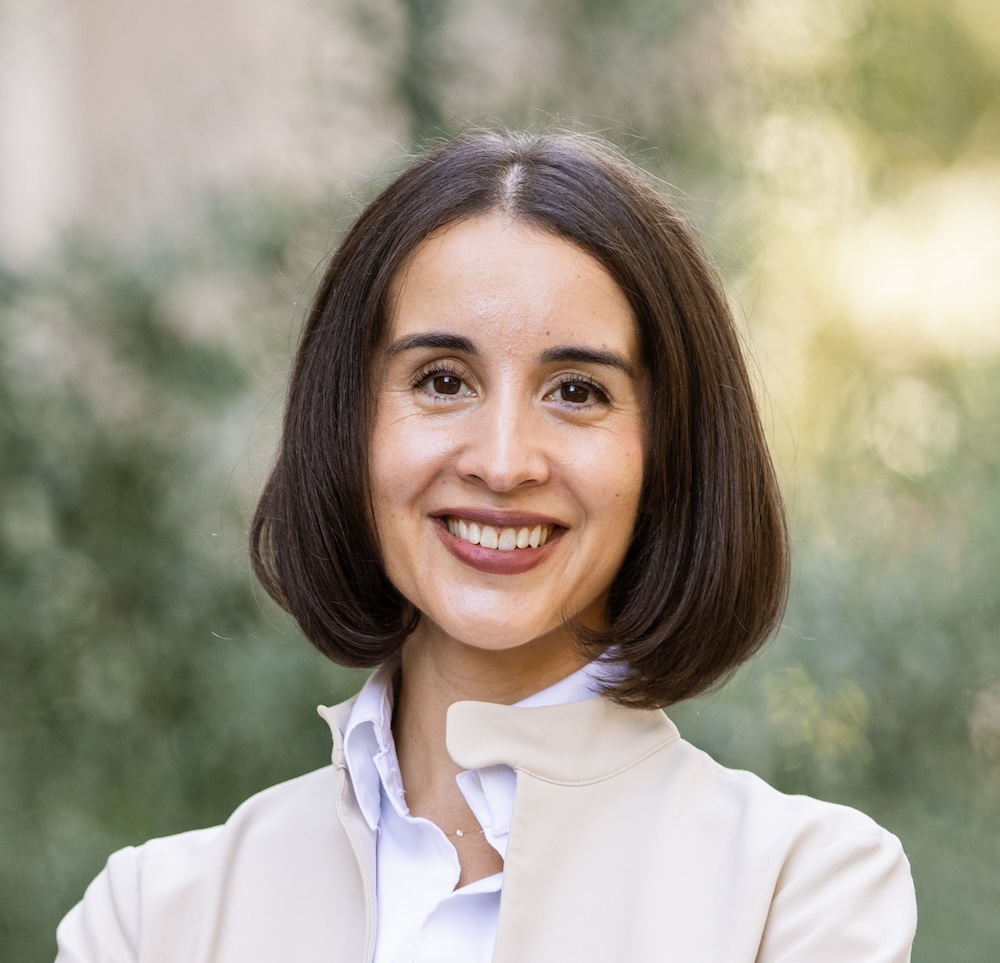
Paola Sapienza is the J-P Conte Family Senior Fellow at the Hoover Institution, where she co-directs the JP Conte Initiative on Immigration and she is a founding member of the Hoover Program on the Foundations for Economic Prosperity. She is Finance Professor Emerita at Northwestern University Kellogg School of Management, where she was a faculty member for over 25 years. Her research interests span from corporate governance to financial development, from political economy to the economic effects of culture and the economics of immigration. She maintains research affiliations with the National Bureau of Economic Research, Center for Economic Policy Research, and European Corporate Governance Institute.
Her work has been published in leading journals including the American Economic Review, Quarterly Journal of Economics, Journal of Finance, Review of Economic Studies, Science, and PNAS. She has appeared multiple times on the Thomson Reuters/Clarivate list of most influential scientific minds, and her research has been featured in major media outlets including the Wall Street Journal, Financial Times, and the Economist.
Sapienza holds a BA from Bocconi University in Milan and MA and PhD in Economics from Harvard University.
Questions?
If you have questions about the conference or logistics, please email hooverprosperity@stanford.edu.