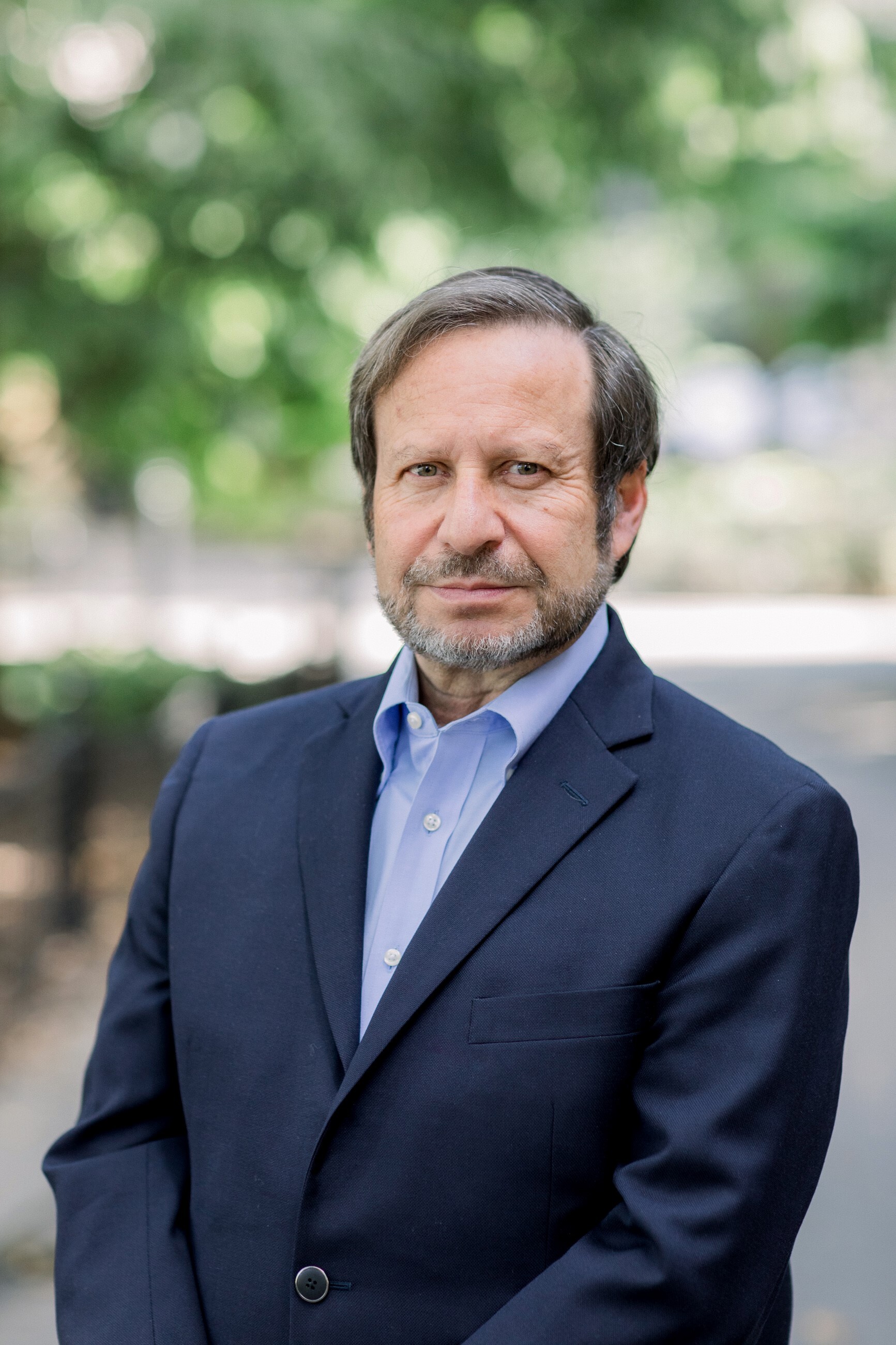
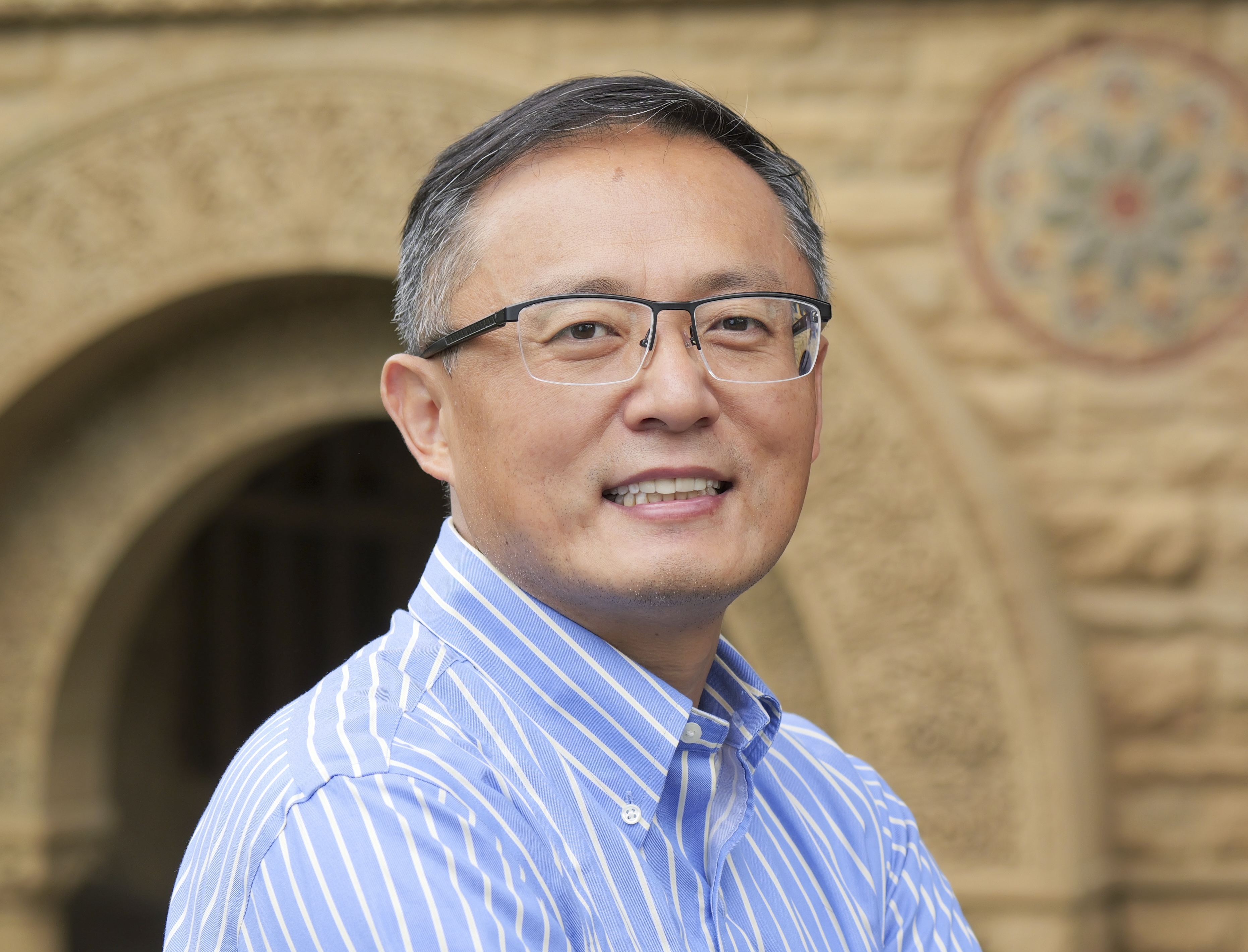
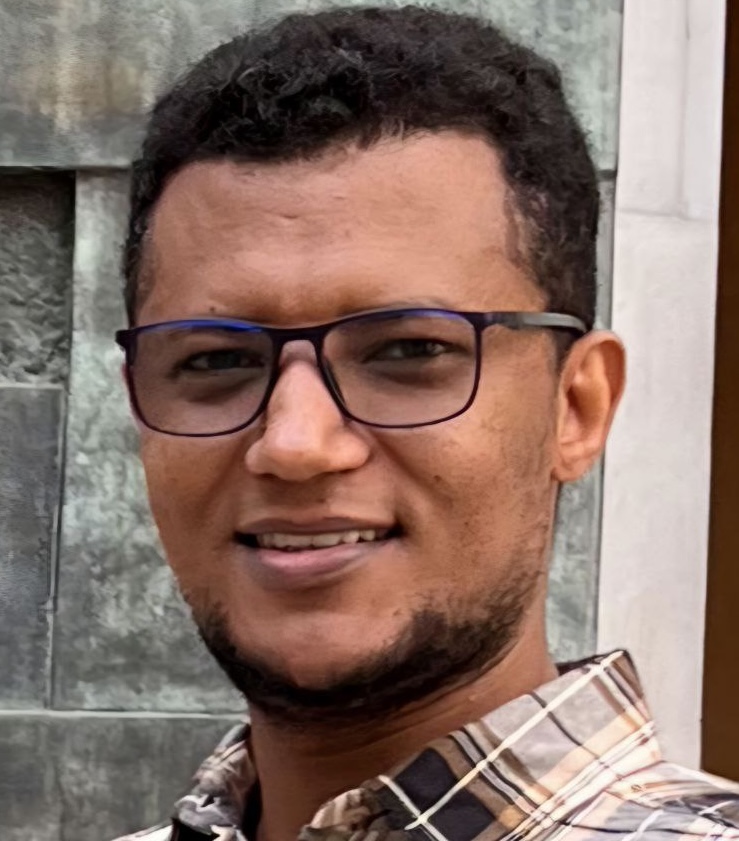
The Workshop brings together a diverse group of emerging and senior scholars working at the intersection of institutions and adaptation. Participants represent a range of disciplines and perspectives, contributing to discussions on resilience and policy.
DominicParker is the Ilene and Morton Harris Senior Fellow (adjunct) at the Hoover Institution, where he codirects the Renewing Indigenous Economies and Markets vs. Mandates for the Environment projects. He is the Anderson-Bascom Professor of Applied Economics at the University of Wisconsin, Madison. Parker’s expertise is in the economics of development, natural resources, and environmental policy with a focus on the role of property rights, rule of law, and governance.
Mary Shirley is a founder and president of the Ronald Coase Institute, which advances research on the rules, laws, norms, and customs that shape real-world economies. Prior to that she worked for over twenty years in World Bank research. She has published numerous scholarly articles and books on new institutional economics, economic development, and privatization of state-owned enterprises.
Assistant Professor in the Department of Agricultural and Resource Economics
UC Berkeley
Tamma Carleton
Tamma Carleton is an assistant professor in the Department of Agricultural and Resource Economics at the University of California, Berkeley and faculty head of research for the Climate Impact Lab. Her research quantifies the socioeconomic impacts of environmental change, with particular emphasis on climate change, air pollution, and water scarcity. Her work spans global mortality and agricultural impacts of climate change, remote sensing applications in environmental economics, and the climate determinants of suicide. Carleton has developed new methods for combining satellite imagery with machine learning to measure economic outcomes in data-scarce regions, and her research on the social cost of carbon has shaped US climate policy. She holds a PhD in agricultural and resource economics from UC Berkeley and was a Rhodes Scholar at Oxford University.
Takanao Tanaka is a PhD candidate in agricultural and resource economics at the University of California, Berkeley. His research focuses on environmental, energy, and industrial organization economics. Tanaka’s work examines how energy and environmental regulation shape firm behavior and economic outcomes, with applications to electricity markets and environmental policy. He uses large-scale administrative data and empirical methods to study policy-relevant questions.
Steven Koonin, the Edward Teller Senior Fellow at Stanford’s Hoover Institution, has served as the Department of Energy’s under secretary for science, as chief scientist for BP, as a professor at New York University, and as professor and provost at the California Institute of Technology. He is a member of the National Academy of Sciences and a governor of Lawrence Livermore National Laboratory. Koonin holds a BS in physics from Caltech and a PhD in theoretical physics from the Massachusetts Institute of Technology. He wrote the bestselling book Unsettled: What Climate Science Tells Us, What It Doesn’t, and Why It Matters (BenBella Books, 2021).
Steven and Roberta Denning Professor of Global Sustainability
Stanford University
Shanjun Li
Shanjun Li is the Steven and Roberta Denning Professor of Global Sustainability in the Stanford Doerr School of Sustainability and a senior fellow at both the Freeman Spogli Institute for International Studies and the Stanford Institute for Economic Policy Research. He directs the Sustainability and Energy Transition Program at the Stanford Center on China's Economy and Institutions. His research focuses on environmental and energy economics, urban and transportation economics, empirical industrial organization, and the Chinese economy. His recent work examines pressing sustainability challenges and the rapid rise of clean energy industries in China, exploring their global implications to support evidence-based policymaking.
Aliz Tóth is an assistant professor of political science in the Department of Government at the London School of Economics and Political Science. Her research focuses on state capacity, state-society relations, and migration. Her book project examines why land acquisition has remained a key barrier to infrastructure development in India. Tóth has a PhD in political science from Stanford University (2023). Her work has been published in leading journals including the American Political Science Review, American Journal of Political Science, Journal of Politics, World Politics, and International Organization.
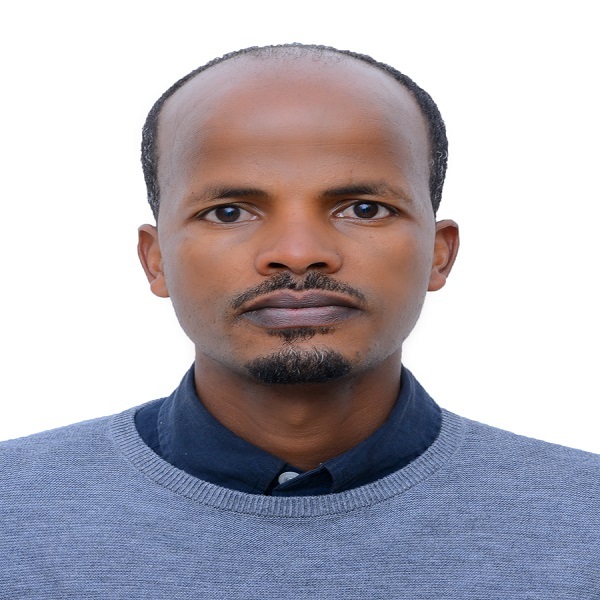
Dagmawe Tenaw is an early-career researcher whose interests lie at the intersection of energy, environmental, and development economics, with a strong focus on policy impact evaluation and applied econometrics. He completed his PhD in Economics at the University of Padova (Italy) and served as a lecturer and researcher at Dire Dawa University in Ethiopia.
Postdoctoral Fellow at the Centre for the Study of African Economies
University of Oxford
Alemu Lambamo
Alemu Lambamo Hawitibo is a Postdoctoral Fellow at the Centre for the Study of African Economies, University of Oxford, working in collaboration with the Ministry of Finance of Ethiopia. He holds a Ph.D. in Economics from the University of Milan, an M.Sc. in Economic Policy Analysis from Addis Ababa University, and a B.A. in Economics from Haramaya University. His research lies at the intersection of climate change, macroeconomic policy, and development, combining rigorous empirical methods with policy-relevant analysis of environmental sustainability and the distributional impacts of economic and climate-related shocks. He previously served as a Postdoctoral Researcher at the University of Siena and has held academic and research positions in Ethiopia and abroad. His work bridges empirical research and policy engagement, with a focus on generating evidence to inform economic policy and development outcomes.
Gary D. Libecap is a distinguished professor emeritus at the Bren School of Environmental Science and Management, University of California, Santa Barbara; research associate with the National Bureau of Economic Research; director, Ronald Coase Institute; Erskine Professor, University of Canterbury; Pitt Professor, Cambridge University; and fellow of the Cliometrics Society. He has been president of the Economic History Association and the Western Economic Association International. Libecap has been an author, editor, or co-editor for many books and journal articles. The Society for Institutional and Organizational Economics in 2021 recognized his research record with the Elinor Ostrom Lifetime Achievement Award.
Dinsha Mistree is a research fellow at the Hoover Institution, where he works on issues related to the US-India relationship. Recent and forthcoming scholarship includes a book project on the performance of the Indian diaspora in the United States and a forthcoming study on the history of the US-India Civil Nuclear Agreement. He also studies governance and economic growth in developing countries, with a special focus on India. Apart from his scholarly work, Mistree publishes in a range of policy outlets. He holds a PhD and MA in politics from Princeton, along with an SM and SB from the Massachusetts Institute of Technology.
Allan Hsiao is an assistant professor of economics at Stanford University. He works on questions in environmental and development economics using tools from empirical industrial organization and international trade.
Assistant Professor at the O’Neill School of Public and Environmental Affairs
Indiana University
Nilesh Shinde
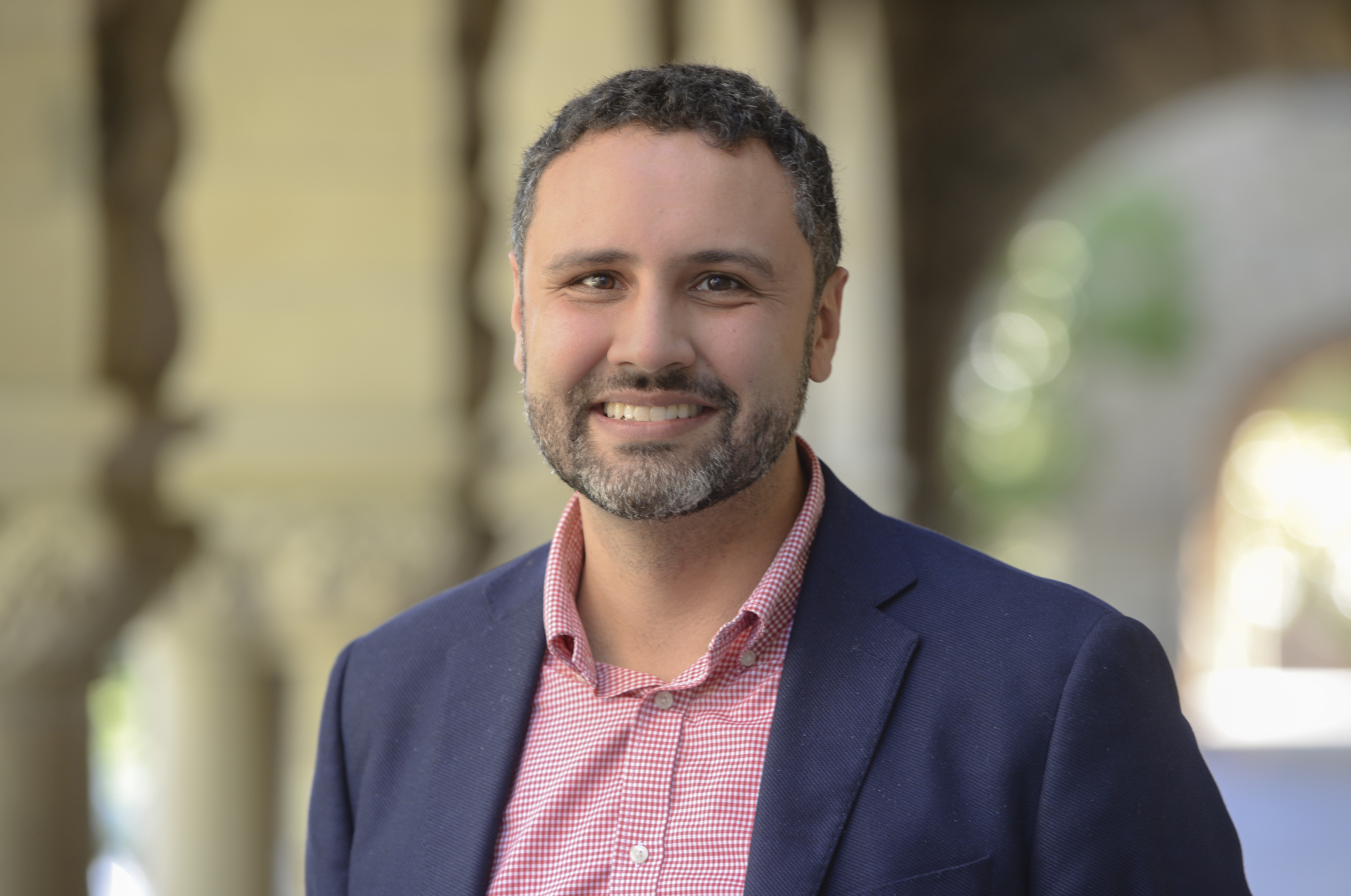
Nilesh Shinde is an assistant professor at the O’Neill School of Public and Environmental Affairs at Indiana University, Bloomington. An environmental and natural resource economist, he studies how property rights and institutions shape land and water use, with implications for conservation, public health, and economic development in Brazil, India, and the United States. His research and teaching focus on the intersection of environmental economics and informatics. By combining causal inference, satellite data, and economic theory, he aims to contribute to evidence-based insights to inform policies that balance growth, equity, and sustainability.
Matthew E. Kahn is a provost professor of economics at the University of Southern California; a research associate at the National Bureau of Economic Research; a research fellow at the Institute of Labor Economics; a senior fellow at the Schaeffer Center for Health Policy and Economics at USC; and a visiting fellow at the Hoover Institution. He has taught at Columbia University, the Fletcher School at Tufts University, the University of California, Los Angeles, and Johns Hopkins University. He is a graduate of Hamilton College and the London School of Economics. He holds a PhD in economics from the University of Chicago.
Philip Keefer is a principal economics advisor at the Inter-American Development Bank. He was formerly a lead research economist in the Development Research Group of the World Bank. His research on the impact of insecure property rights on growth; the effects of political credibility on policy; the sources of political credibility in democracies and autocracies; the influence of political parties on conflict, political budget cycles, and public sector reform; and the effects of compensation on the effort and intrinsic motivation of public officials has appeared in journals ranging from the Quarterly Journal of Economics to the American Political Science Review.
Cesar B. Martinez-Alvarez is an assistant professor of political science at the University of California, Santa Barbara. His research focuses on the political economy of global environmental challenges, such as climate change and deforestation, with a regional focus on Latin America. His recent work focuses on the drivers of successful local resource governance, the politics of the energy transition, and climate change adaptation. He holds a PhD in political science from the University of California, Los Angeles, an MA in international policy studies from Stanford University, and a BA in international relations from El Colegio de México. He was a Donnelley Postdoctoral Environmental Fellow at the Yale School of the Environment. Prior to graduate school he worked at Mexico's National Institute of Ecology and Climate Change.
Joaquin Urrego is an assistant professor in the Economics Department at Wake Forest University. His research sits at the intersection of urban and development economics, the economics of crime, and real estate. Using GIS and spatial methods, he studies how the built environment, neighborhood amenities, and local institutions shape spatial patterns of informal housing, crime, and commercial real estate. A current strand of his work examines the future of cities, especially rapidly growing developing-city contexts, and how they respond to climate shocks.
Sayahnika Basu is an assistant professor in the Economics Department at James Madison University. She is an environmental economist whose research spans development, agriculture, and urban economics. Her work examines how environmental degradation and climate change affect different demographic groups and their economic consequences. Before joining JMU, she was a postdoctoral fellow at the University of California, San Diego, where she remains engaged as an external faculty affiliate at the 21st Century India Center and co-organizes a virtual junior scholar seminar on the Indian economy. She earned her PhD in economics from Arizona State University’s W. P. Carey School of Business.
Nisha Koppa is a third-year PhD student in environmental studies at the University of Colorado, Boulder. She holds a master’s degree in economic development from Lund University, Sweden, and a bachelor’s degree in economics from India. She is interested in exploring how climate change affects global food systems and how trade and policy decisions can help or hinder adaptation.
Senior Research Fellow & Lecturer of Political Economy
International Food Policy Research Institute & John Hopkins University
Katrina Kosec
Katrina Kosec is a senior research fellow at the International Food Policy Research Institute and a lecturer in political economy at Johns Hopkins University. Her research examines the links between governance, fragility, gender, and poverty, with a focus on how policies and institutions affect poverty, food security, women’s empowerment, and political attitudes. She has conducted surveys and field experiments across Africa and Asia in collaboration with international organizations and governments. Her work has appeared in leading journals including the American Political Science Review, American Journal of Political Science, Journal of Public Economics, and Journal of Development Economics.
Assistant professor at the School of Global Policy and Strategy
University of California, San Diego
Meera Mahadevan
Meera Mahadevan is an assistant professor at the School of Global Policy and Strategy at the University of California, San Diego. Her research lies at the intersection of development, energy, and environmental economics, with a focus on public service delivery, infrastructure, and political economy in low- and middle-income countries. She currently works on projects related to electricity transitions, water markets, and governance in South Asia. She is an affiliate of the CESifo Research Network, the Center for Effective Global Action, and the Energy for Growth Hub, and is also an invited researcher at the Abdul Latif Jameel Poverty Action Lab at the Massachusetts Institute of Technology under multiple funding initiatives.
Marshall Burke is professor of Global Environmental Policy in the Doerr School of Sustainability at Stanford, a senior fellow at the Center on Food Security and the Environment, the Freeman Spogli Institute for International Studies, the Stanford Woods Institute for the Environment, and Stanford Institute for Economic Policy Research, all at Stanford. He is also a research fellow at the National Bureau of Economic Research. His research uses tools from the social and natural sciences to measure environmental change, how society is impacted by this change, and how it can respond. He holds a PhD in Agricultural and Resource Economics from UC Berkeley, and a BA in International Relations from Stanford. He directs the Environmental Change and Human Outcomes Lab at Stanford, is co-founder of AtlasAI, and co-creator of the Environmental Hazards Adaptation Atlas.
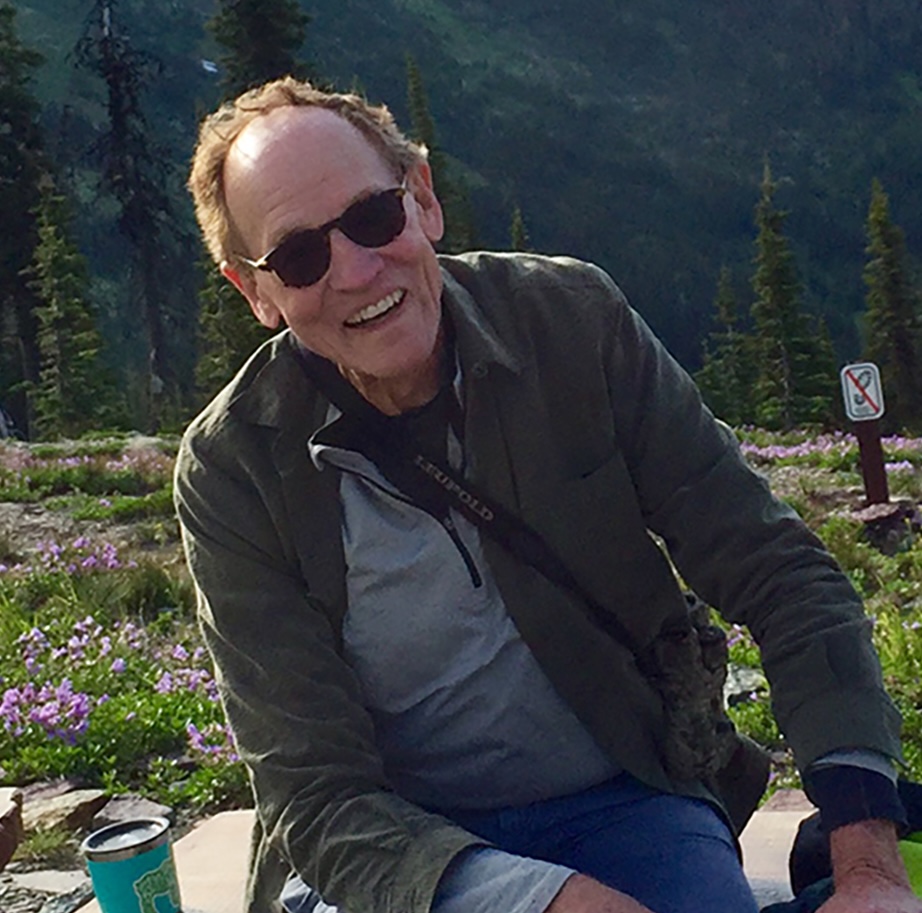
Terry L. Anderson is the John and Jean De Nault Senior Fellow at the Hoover Institution. He is the past president of the Property and Environment Research Center in Bozeman, Montana, and a professor emeritus at Montana State University, where he won many teaching awards during his twenty-year career. Anderson authored Free Market Environmentalism (Palgrave Macmillan, third edition, 2015), which established the concept of using markets and property rights to address environmental issues. He received his PhD from the University of Washington. He has been a visiting scholar at Oxford University, Basel University, Clemson University, and Cornell University, and a Fulbright Fellow at the University of Canterbury.
Roger Noll is professor emeritus of economics at Stanford University and formerly a professor of social sciences at the California Institute of Technology and a senior fellow at the Brookings Institution. He holds a BS in mathematics from Caltech and a PhD in economics from Harvard. Noll's primary fields of research are the economics and politics of regulation, the economics of sports and entertainment, and the political economy of law and legal institutions.
Alexandra Benham is a founder of the Ronald Coase Institute and the secretary to the board. She has organized and served as faculty member for its workshops and conferences from 2000 to the present. Her research areas include the costs of exchange across countries, institutional reform, international relations, and the economics of information.
Lee Benham received his PhD from Stanford University and was a faculty member of the University of Chicago before joining Washington University in St. Louis, Missouri, in 1974. He has taught comparative systems, labor economics, industrial organization, and health economics. Through Washington University, the International Society of New Institutional Economics, and the Ronald Coase Institute, he has been working with Alexandra Benham to build a network of scholarly researchers in new institutional economics around the world.