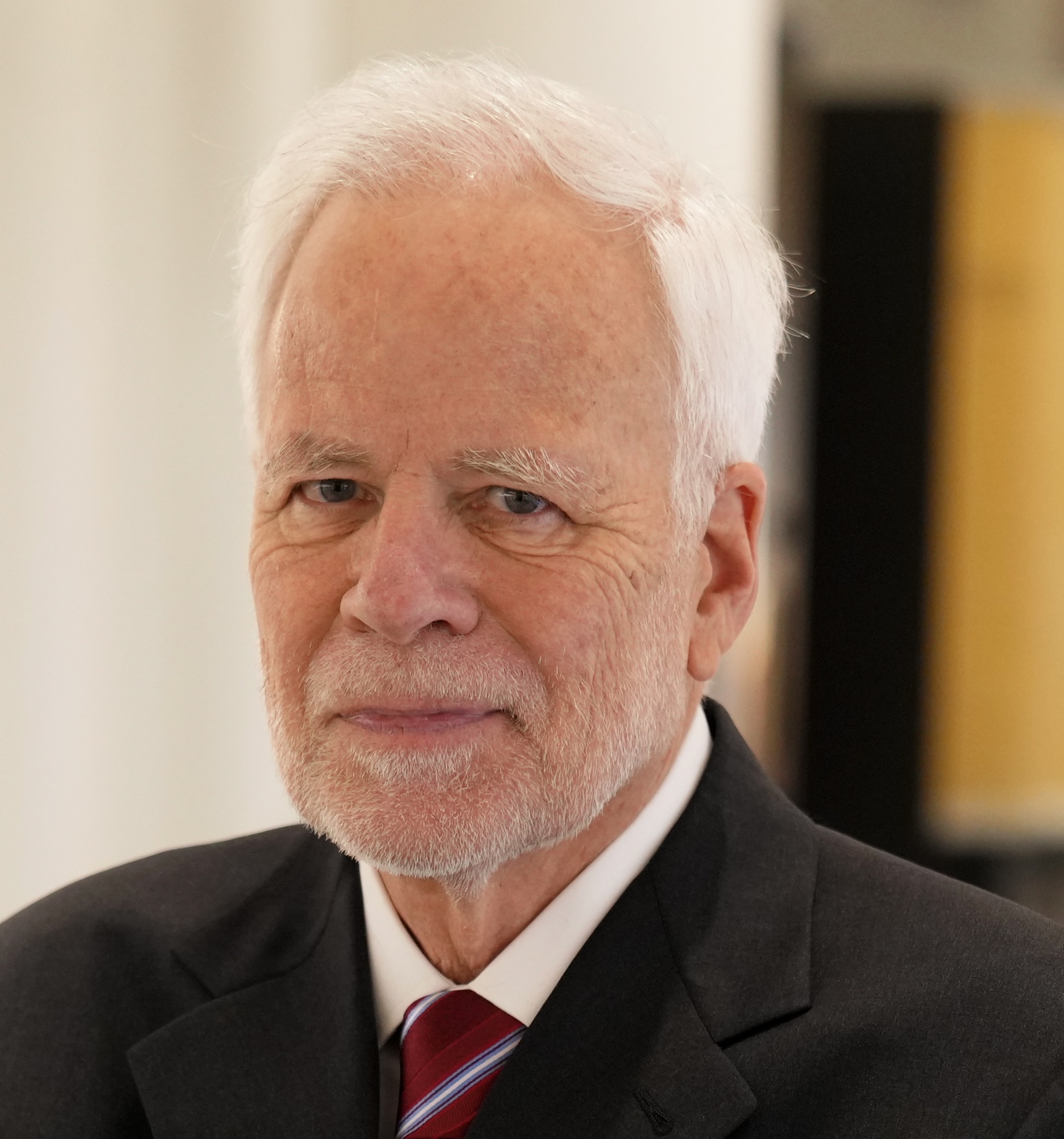
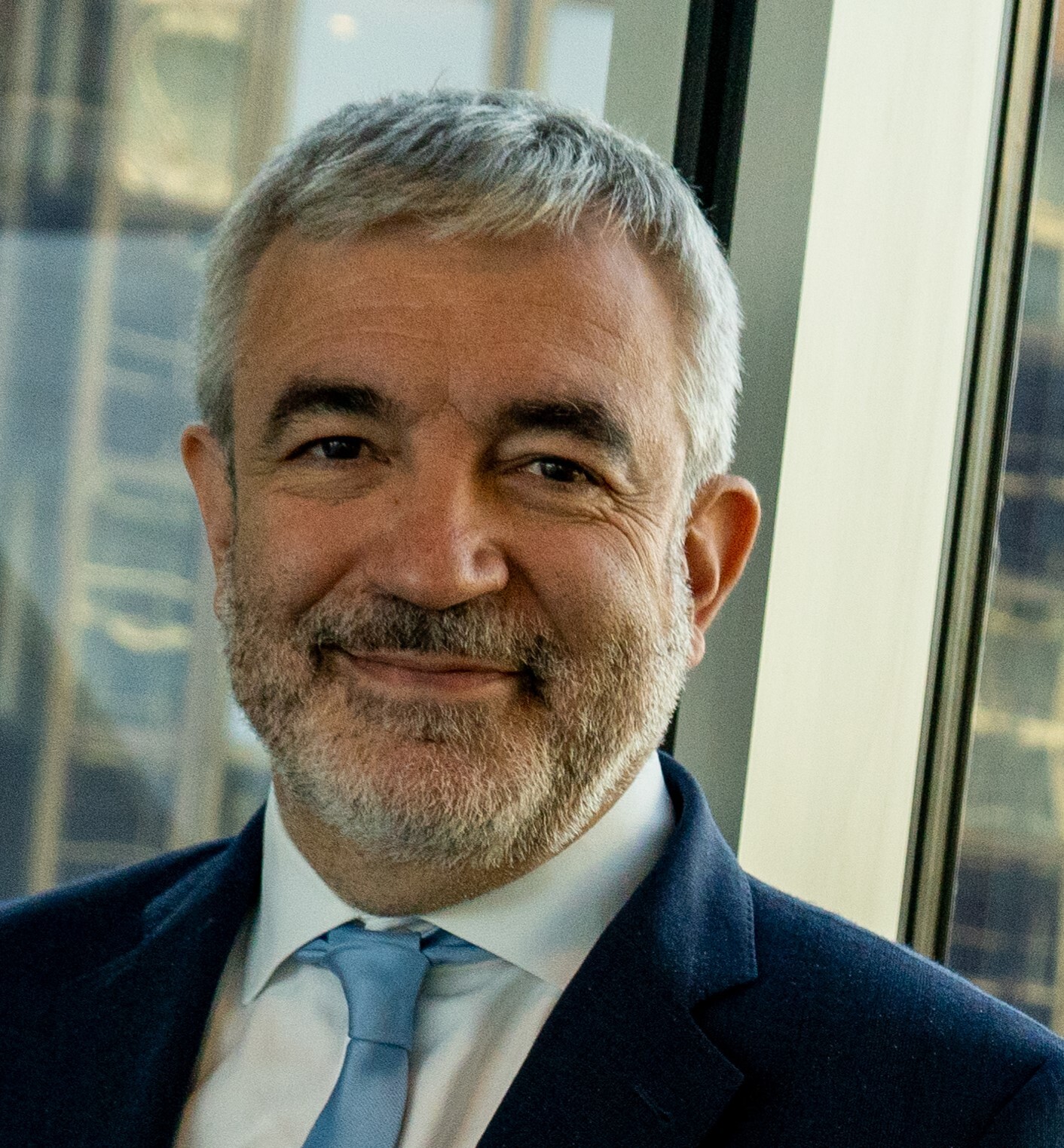
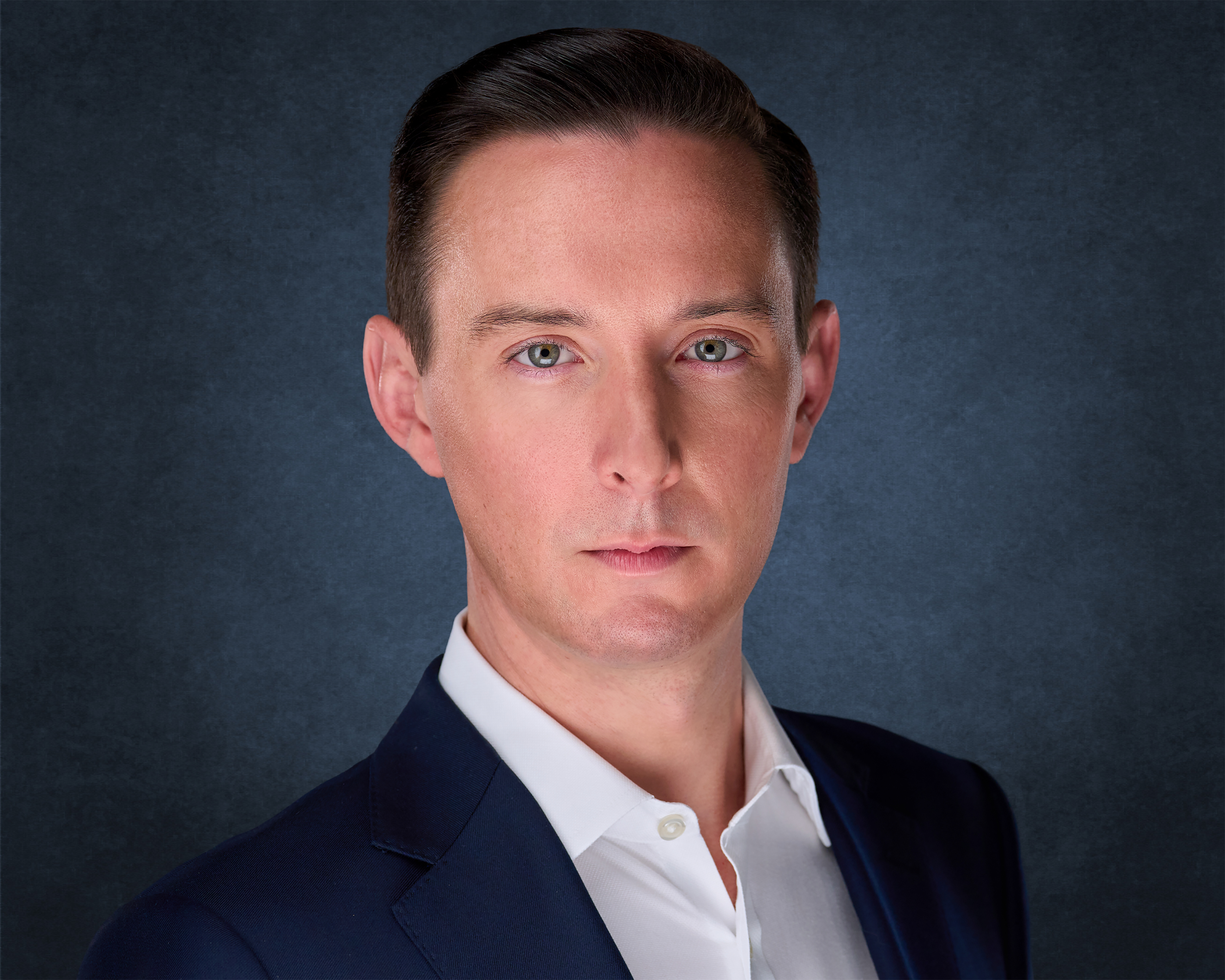
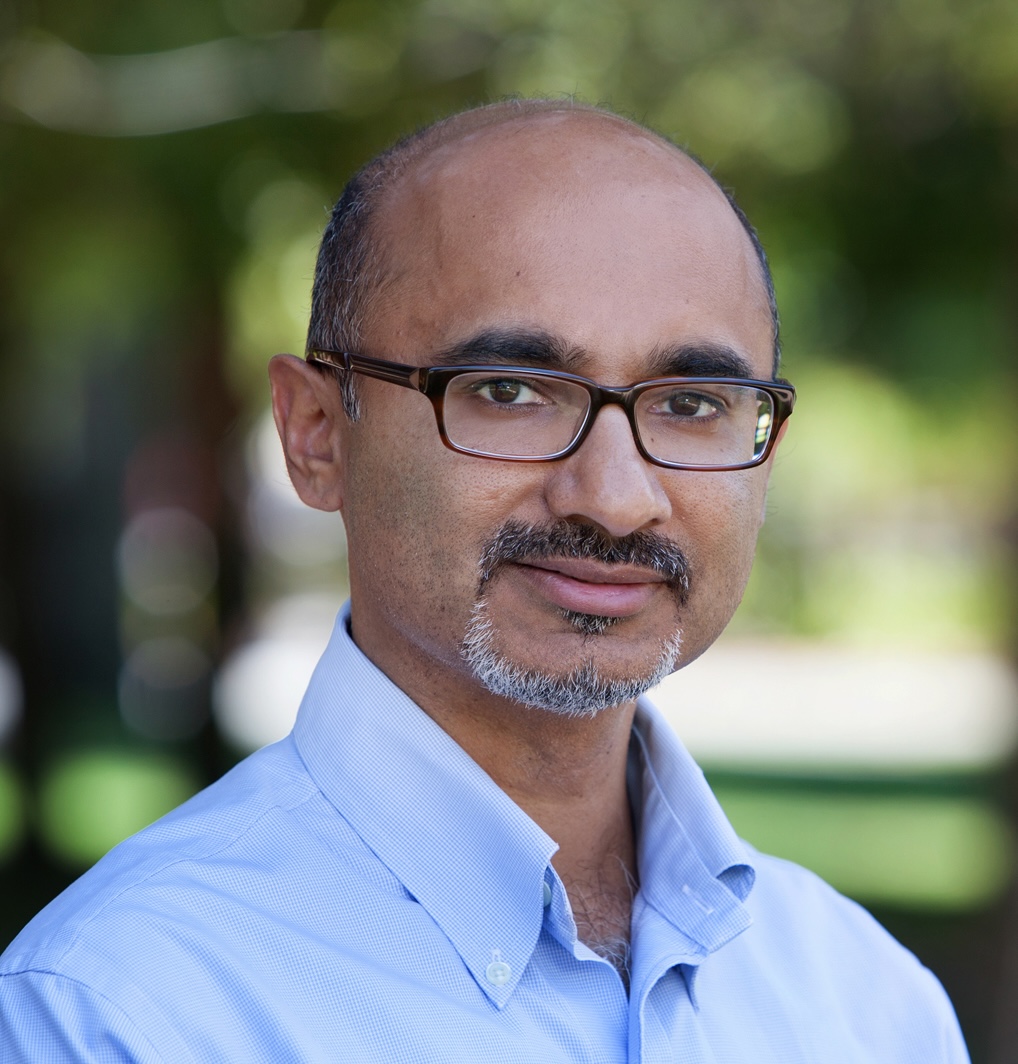
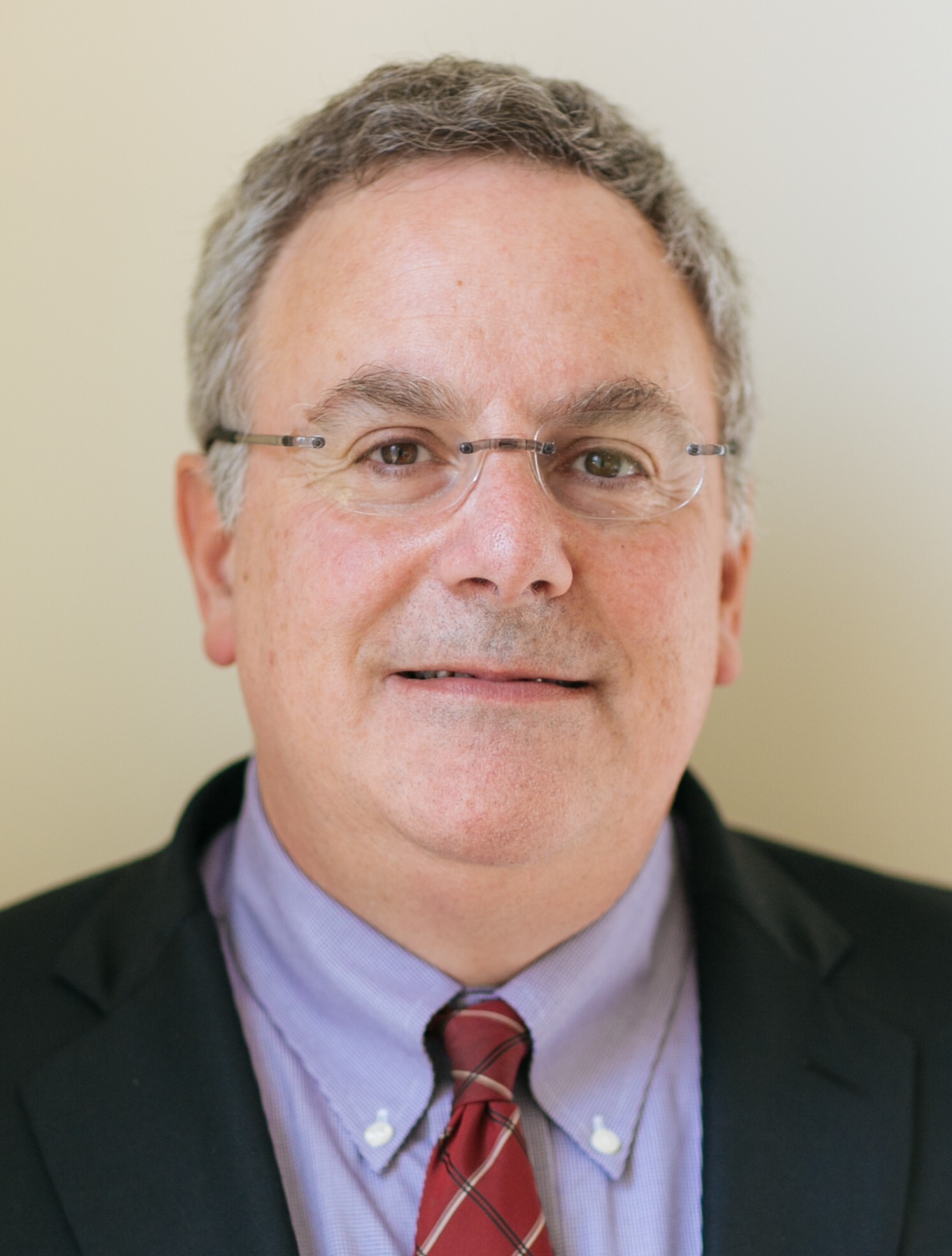
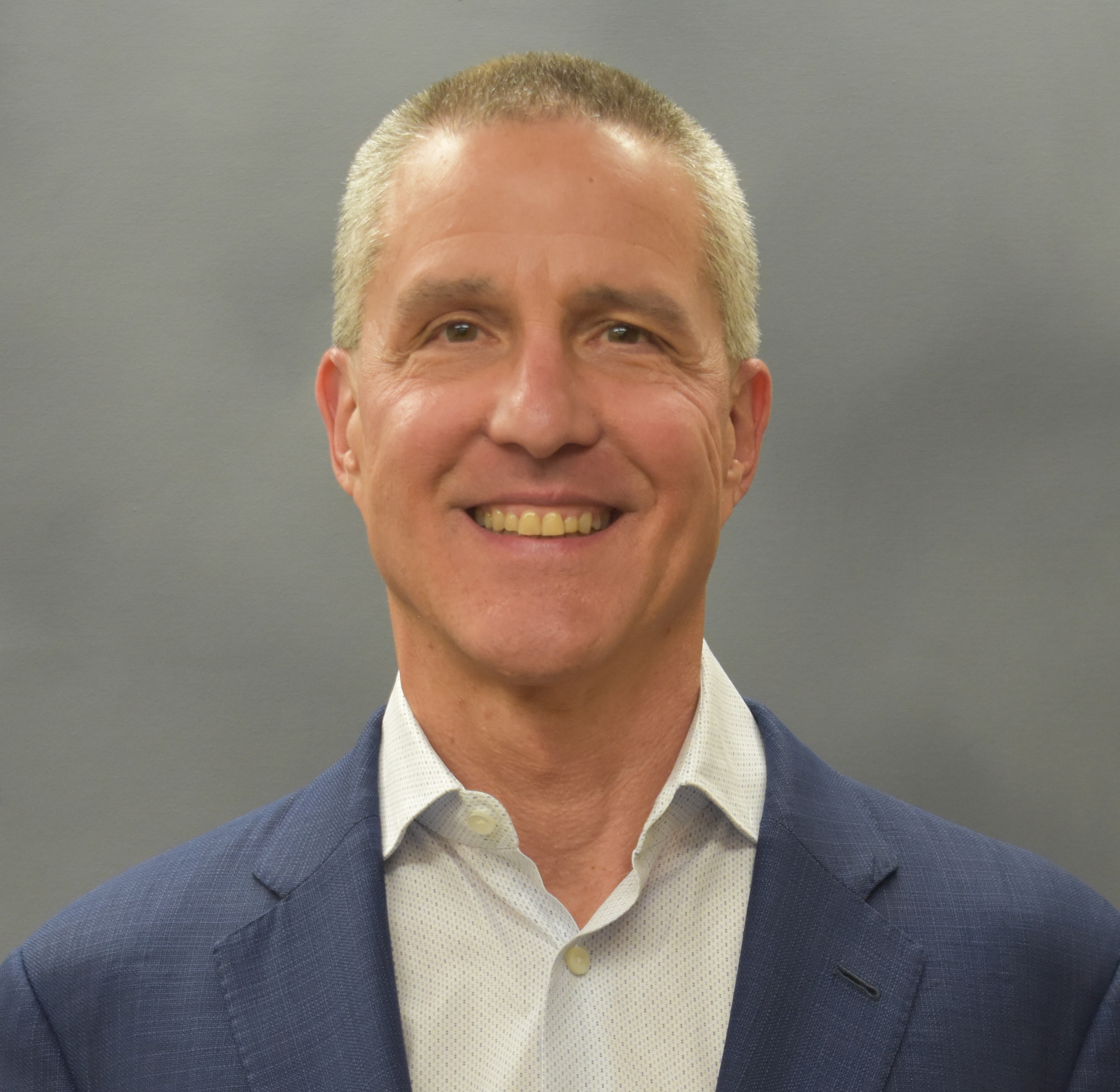
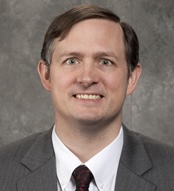
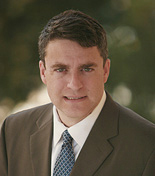
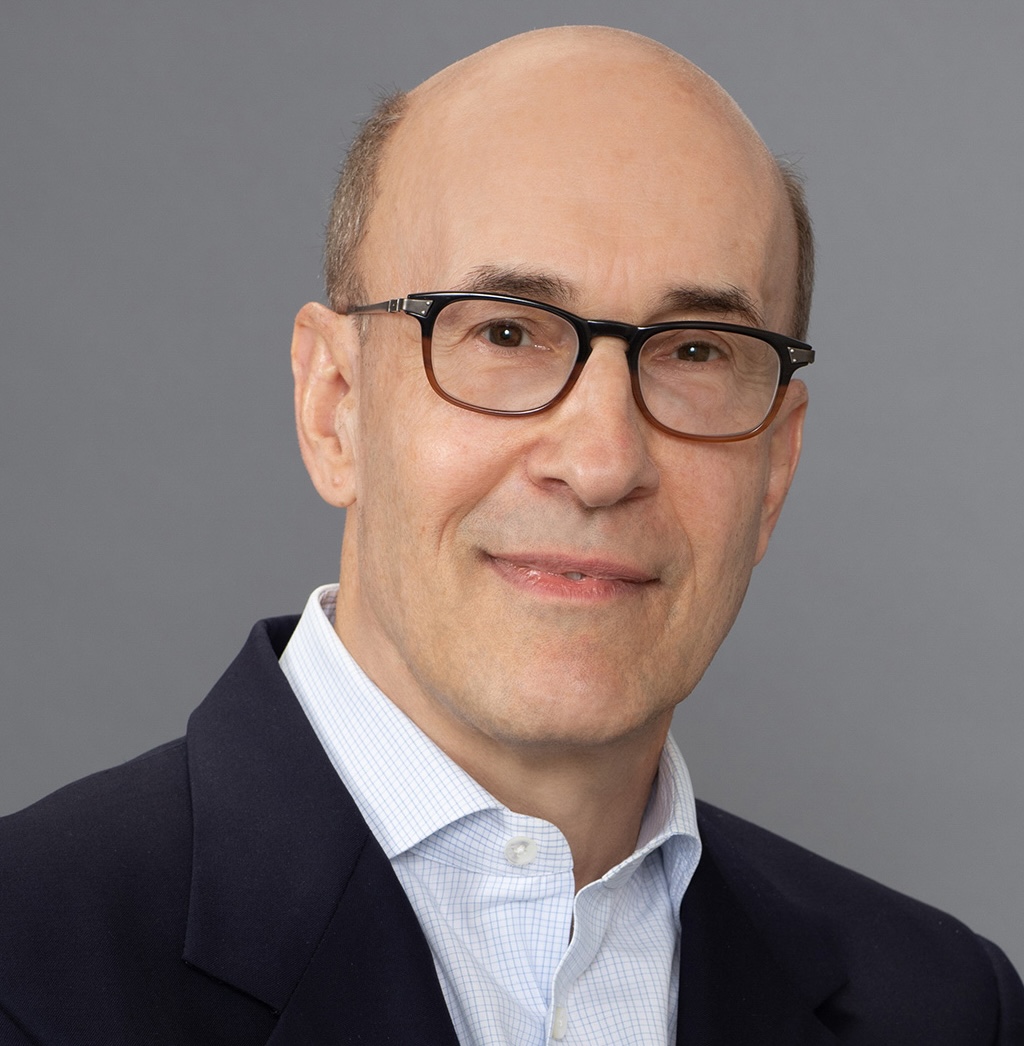
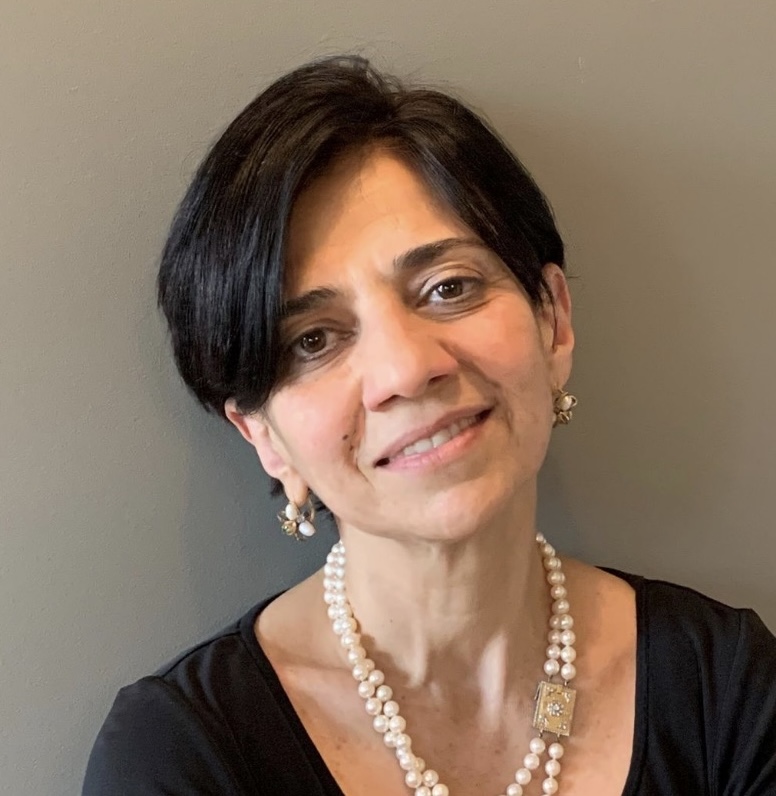
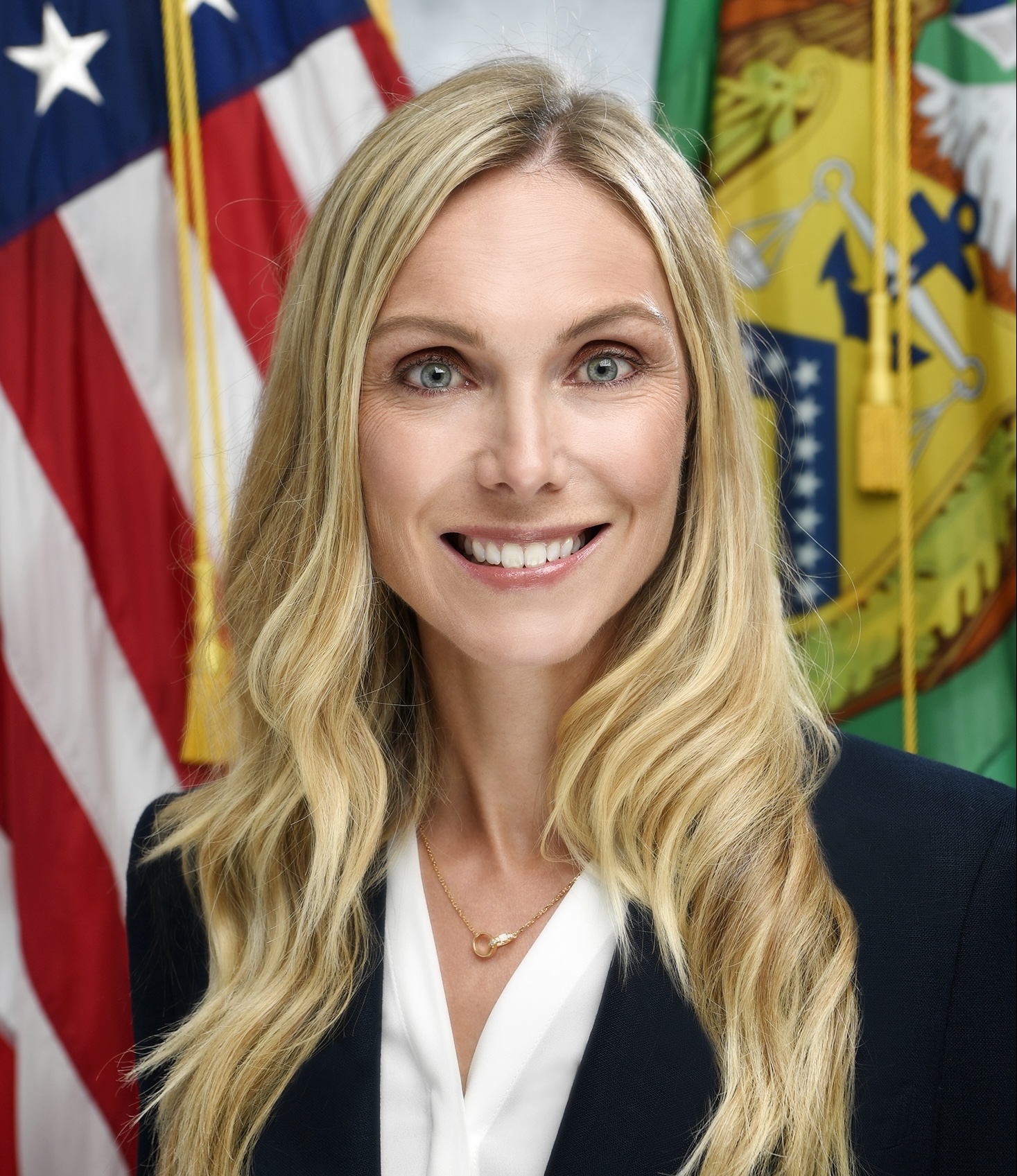
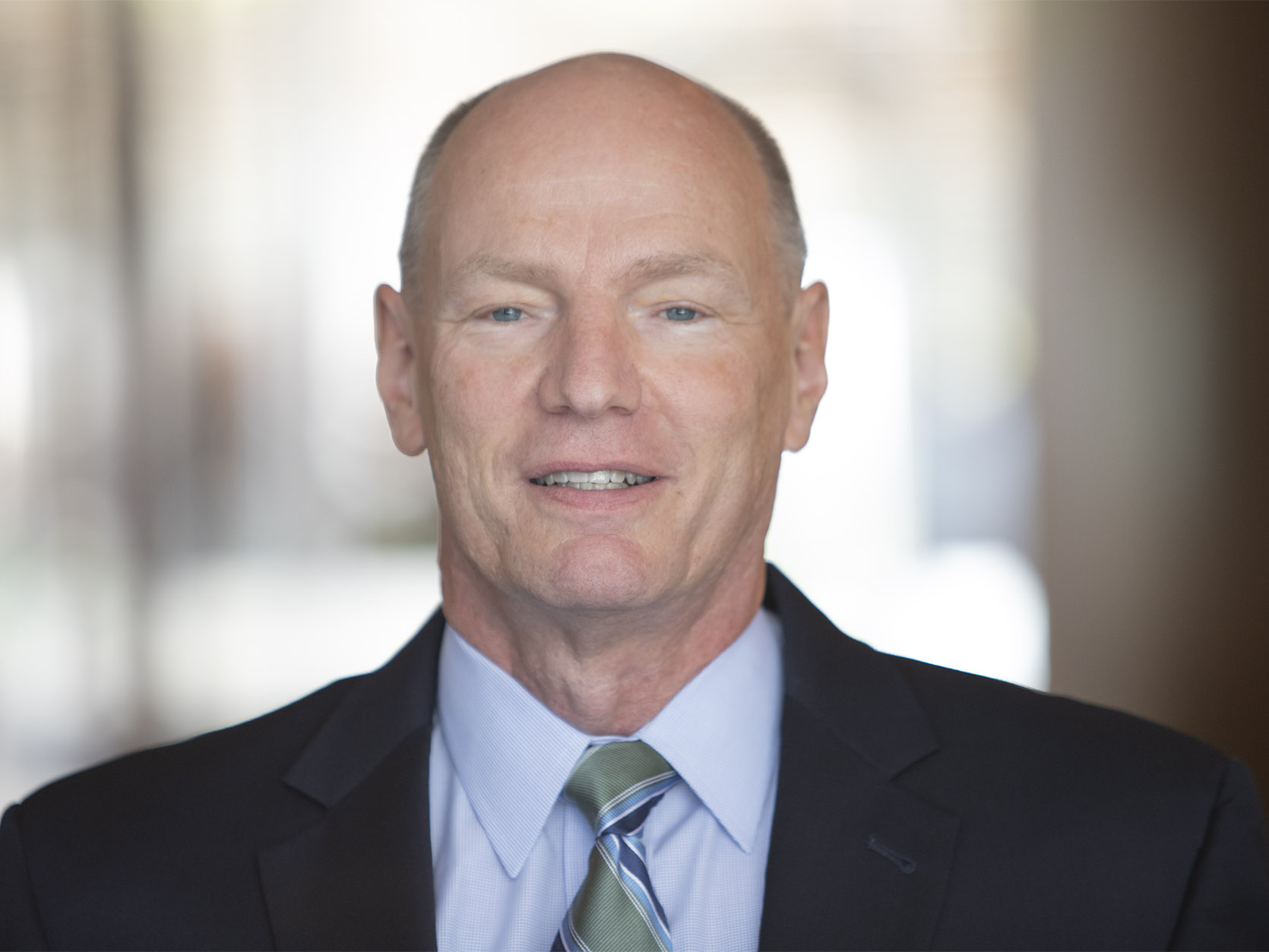
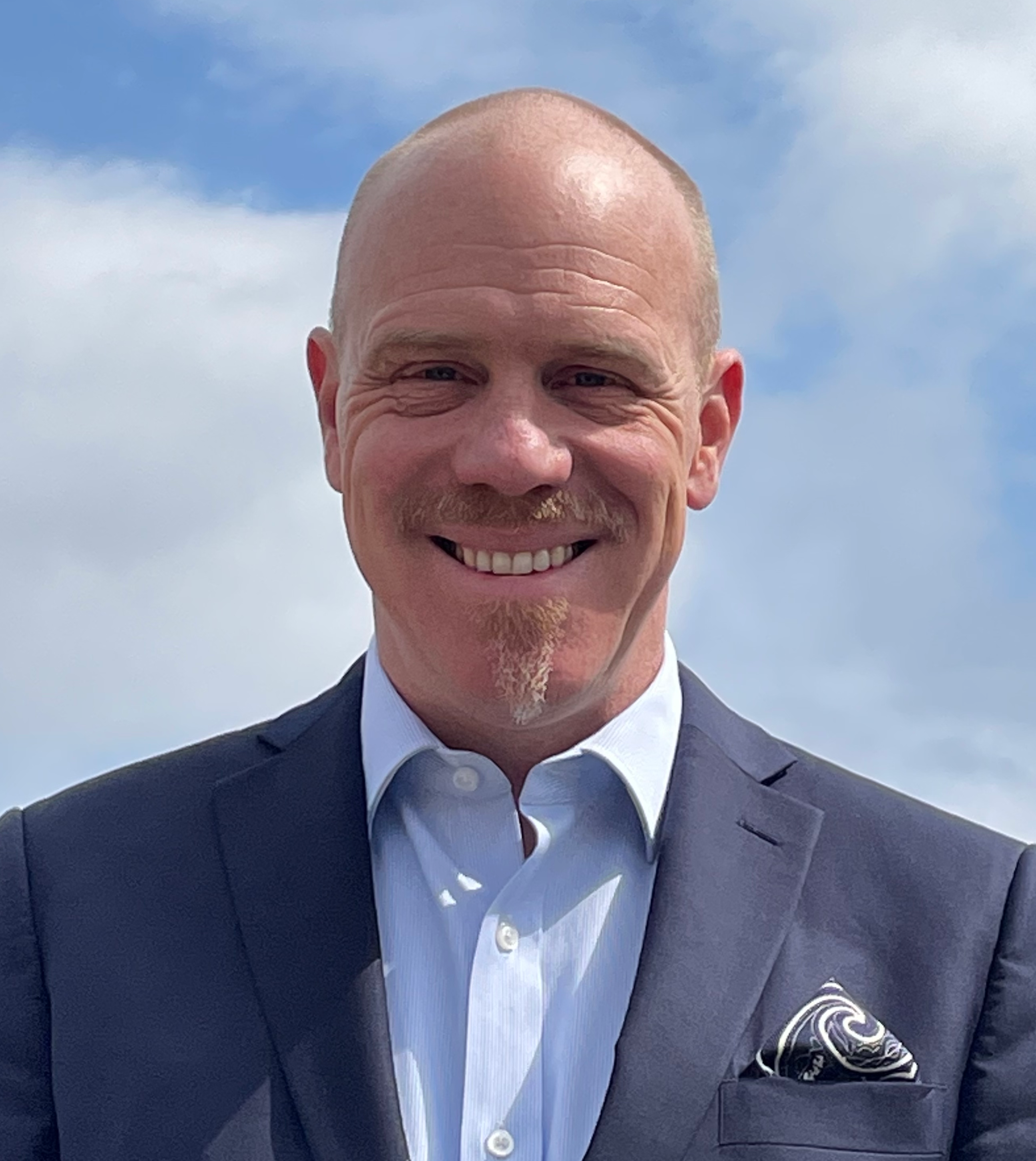
Marvin Barth is the founder of Thematic Markets, rigorous, institutional-quality research aimed at market professionals, and the creator of Seriously, Marvin?!, his contrarian musings for a broader audience. Both publications benefit from the uniquely broad perspective on the global political economy that Barth has gained from a three-decade career spanning nearly every asset market, a hat trick of policy institutions, and academia. Trained in economics (BA, MA, and PhD), Barth has worked as an economist, strategist, and portfolio manager at major broker-dealers, asset managers, and the full spectrum of economic policy institutions with senior roles at the US Treasury Department, the Federal Reserve Board, and the Bank for International Settlements. Raised in California, Barth lives in London.
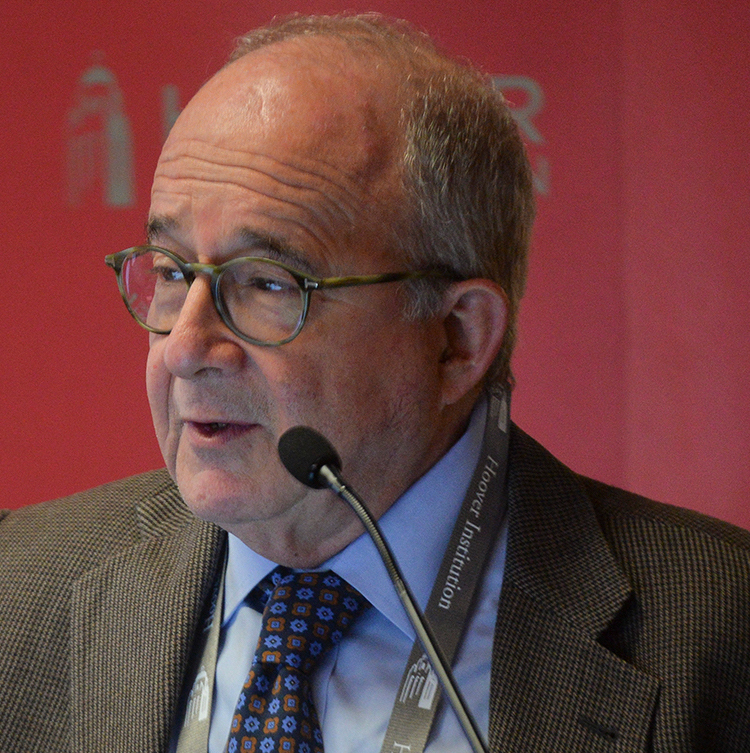
Michael D. Bordois a distinguished professor of economics emeritus at Rutgers University. He is the Duncan Stewart Distinguished Visiting Fellow at the Hoover Institution. He is also a distinguished visitor at the Griswold Center for Public Policy at Princeton University. He has held previous academic posts at the University of South Carolina and Carleton University in Ottawa, Canada, and was visiting professor at Cambridge, Princeton, Harvard, and other universities. Bordo was also a visiting scholar at the International Monetary Fund, the Federal Reserve Banks of St. Louis, Cleveland, and Dallas, the Federal Reserve Board of Governors, the Bank of Canada, the Bank of England, and the Bank for International Settlements. He is a research associate of the National Bureau of Economic Research and a member of the Shadow Open Market Committee. He has published twenty-five books on monetary economics and monetary history, most recently The Historical Performance of the Federal Reserve: The Importance of Rules (Hoover Institution Press, 2019). He is editor of a series of books for Cambridge University Press: Studies in Macroeconomic History. He has a BA from McGill University, an MSc in economics from the London School of Economics, and a PhD from the University of Chicago.
Michelle W. Bowman has been serving as a member of the Board of Governors of the Federal Reserve System since November 26, 2018. Initially appointed to fill the remainder of an unexpired term, she was reappointed for a full fourteen-year term that ends on January 31, 2034. On June 9, 2025, Bowman was sworn in as the third vice chair for supervision and is responsible for overseeing the supervision and regulation of depository institution holding companies and other financial firms supervised by the board. As the only member of the board with banking and state supervisory experience, she chairs the board’s Subcommittee on Smaller and Regional Community Banking and serves on the board’s Payments, Clearing, and Settlement Committee. In addition to her work at the board, Bowman chairs the Federal Financial Institutions Examination Council, an interagency body tasked with promoting consistency in financial examinations. Her international roles include serving on the Governors and Heads of Supervision group of the Basel Committee on Banking Supervision and as the US plenary member of the Financial Stability Board (FSB), where she chairs the FSB’s Standing Committee on Supervisory and Regulatory Cooperation. She is also a member of the advisory board of the Financial Stability Institute of the Bank for International Settlements. Prior to her appointment to the board, she served as the Kansas state bank commissioner from January 2017 to November 2018 and as vice president of Farmers and Drovers Bank in Kansas from 2010 to 2017. Her past public service includes serving as deputy assistant secretary and policy adviser to former Homeland Security Secretary Tom Ridge, director of congressional and intergovernmental affairs at the Federal Emergency Management Agency, and counsel to the US House Committee on Transportation and Infrastructure and the Committee on Government Reform and Oversight, as well as working for Kansas Sen. Bob Dole. Following her time in Washington, Bowman led a government and public affairs consultancy in London before returning to Kansas in 2010. She earned a bachelor’s degree from the University of Kansas and a JD from the Washburn University School of Law. Bowman is a member of the New York State Bar.
Oliver Bushis a guest lecturer at the London School of Economics, a senior policy adviser at the Bank of England and a member of the Centre for Macroeconomics. He has a PhD from LSE, and his research area is macroeconomic and financial history, with a focus on UK macroeconomic policy history and monetary/fiscal interactions. At the Bank, he has worked on international finance, domestic financial stability policy and monetary policy. He will be at the National Bureau of Economic Research in 2027.
John H. Cochrane is the Rose-Marie and Jack Anderson Senior Fellow at the Hoover Institution. He is also a research associate of the National Bureau of Economic Research and an adjunct scholar of the Cato Institute. Before joining Hoover, Cochrane was a professor of finance at the University of Chicago’s Booth School of Business and previously taught in its Economics Department. He served as president of the American Finance Association and is a fellow of the Econometric Society. He writes on asset pricing, financial regulation, business cycles, and monetary policy. He has also written articles on macroeconomics, health insurance, time-series econometrics, financial regulation, and other topics. His books include Crisis Cycle: Challenges, Evolution and Future of the Euro (Princeton University Press, 2025, with Luis Garicano and Klaus Masuch), The Fiscal Theory of the Price Level (Princeton University Press, 2023), and Asset Pricing (Princeton University Press, 2001, rev. 2005). Cochrane frequently contributes op-eds to The Wall Street Journal and other publications. He maintains the Grumpy Economist blog. Cochrane earned a bachelor’s degree in physics at the Massachusetts Institute of Technology and a PhD in economics at the University of California, Berkeley.
Mary C. Daly is president and chief executive officer of the Federal Reserve Bank of San Francisco. In that capacity, she serves the Twelfth Federal Reserve District in setting monetary policy. Prior to that, she was the executive vice president and director of research at the San Francisco Fed, which she joined in 1996. Daly has served as an adviser to the Congressional Budget Office, the Social Security Administration, the Institute of Medicine, and the Library of Congress. She has also been a visiting professor at Cornell University and the University of California, Davis. Daly holds a PhD in economics from Syracuse University, an MS degree from the University of Illinois, Urbana-Champaign, and a BA from the University of Missouri, Kansas City. She completed a National Institute on Aging postdoctoral fellowship at Northwestern University and is a research affiliate at the IZA Institute of Labor Economics. Daly’s research focuses on employment and wage trends, economic growth, and economic shocks. Her research has advanced understanding of the Federal Reserve’s maximum employment and inflation mandate. She regularly speaks across the United States and internationally. She also travels through the Twelfth District to hear firsthand how businesses and households are experiencing the economy. She hosts an award-winning podcast, Zip Code Economies. Daly grew up in Missouri. When she was fifteen, she dropped out of high school and started working several jobs to help support her family. She went on to earn a GED and begin her career in economics. She brings her life experience to her work, remembering how critical economic opportunity is for all Americans.
Thomas Drechsel is a macroeconomist, assistant professor at the University of Maryland, and faculty research fellow at the National Bureau of Economic Research. His research focuses on various aspects of monetary policy, the link between financial markets and the economy, and real-time monitoring of macroeconomic activity. His work has been published in the Review of Economic Studies, the American Economic Journal: Macroeconomics, the Journal of Monetary Economics, and the Journal of Finance. Drechsel is a German national and holds a PhD from the London School of Economics and Political Science. He lives in Washington, DC.
Darrell Duffie is the Adams Distinguished Professor of Management and Professor of Finance at Stanford University’s Graduate School of Business and professor (by courtesy) in the Stanford Economics Department. He is a research fellow of the National Bureau of Economic Research and a fellow of the American Academy of Arts and Sciences. Duffie is a past president of the American Finance Association and chaired the Financial Stability Board’s Market Participants Group on reference rate reform. He is an independent director of Dimensional Funds and was a member of the leadership team of the G30 Working Groups chaired by Tim Geithner on Treasury market liquidity. At the Federal Reserve’s 2023 Jackson Hole meeting, Duffie presented “Resilience Redux in the US Treasury Market.” His most recent book is Fragmenting Markets: Post-Crisis Bank Regulations and Financial Market Liquidity (De Gruyter, 2022). Duffie is teaching a new course at Stanford, The Future of Money and Payments.
Sebastian Edwards is the Henry Ford II Distinguished Professor of International Economics at the University of California, Los Angeles. From 1993 to 1996 he was chief economist for Latin America and the Caribbean at the World Bank. He has published fifteen books and over two hundred scholarly articles. He was the codirector of the National Bureau of Economic Research’s Africa Project. He is a research associate at the National Bureau of Economic Research and an honorary professor at the Universidad de Chile. His latest book is The Chile Project: The Story of the Chicago Boys and the Downfall of Neoliberalism (Princeton University Press, 2023).
Barry Eichengreen is George C. Pardee & Helen N. Pardee Chair and Distinguished Professor of Economics and Political Science at the University of California, Berkeley, research associate of the National Bureau for Economic Research, and research fellow at the Centre for Economic Policy and Research. His most recent book is Money Beyond Borders: Global Currencies from Croesus to Crypto (Princeton University Press, 2026).
Luis Garicano is professor of economics and public policy at the London School of Economics and a fellow at the Center for Economic Policy Research. He coauthored Crisis Cycle: Challenges, Evolution and Future of the Euro (Princeton University Press, 2025) with John H. Cochrane and Klaus Masuch. His research spans the organization of knowledge and talent, AI and the future of work, and European monetary and fiscal architecture. From 2019 to 2022 he served in the European Parliament as vice president of Renew Europe, leading economic and financial legislation during the pandemic. He holds a PhD in economics from the University of Chicago.
Tyler Goodspeed is the chief economist of ExxonMobil Corporation. He chaired the White House Council of Economic Advisers during the first Trump administration, during which time he also chaired the Economic Policy Committee of the Organisation for Economic Co-operation and Development (OECD). The author of four books, Goodspeed holds a PhD in economics from Cambridge University and a PhD in history from Harvard University, as well as a BA in economics and history from Harvard, an MA in history from Harvard, and an MPhil in economic history from Cambridge. He has held faculty appointments at Oxford University, King’s College London, and Stanford University and is currently a senior fellow at the Adam Smith Institute in London. From 2021 through 2023, Goodspeed was a director and chief economist at Greenmantle, a New York and London-based macroeconomic and geopolitical consulting firm.
Austan D. Goolsbee is president and CEO of the Federal Reserve Bank of Chicago. Goolsbee previously served as the Robert P. Gwinn Professor of Economics at the University of Chicago Booth School of Business, where he first joined the faculty in 1995. Goolsbee served as a member and then chairman of the Council of Economic Advisers from 2009 through 2011. He has also served on the Board of Education for the City of Chicago, the Economic Advisory Panel to the Federal Reserve Bank of New York, the Panel of Economic Advisers to the Congressional Budget Office, the US Census Advisory Committee, the Digital Economy Board of Advisors to the Commerce Department, and the External Advisory Group on Digital Technology for the International Monetary Fund. He was a Fulbright Scholar and an Alfred P. Sloan Fellow. Goolsbee has a PhD in economics from MIT and a BA and MA in economics from Yale.
Arvind Krishnamurthy is the John S. Osterweis Professor of Finance at the Stanford Graduate School of Business and a research associate at the National Bureau of Economic Research and the Stanford Institute for Economic Policy Research. Krishnamurthy studies finance, macroeconomics, and monetary policy. He has studied the causes and consequences of banking crises in emerging markets and developed economies and the role of government policy in stabilizing crises. Recently he has been examining the importance of US Treasury bonds and the dollar in the international monetary system as well as the economic forces that underlie a reserve currency. He is an editor of the Journal of Finance: Insights & Perspectives and was formerly an associate editor at the Journal of Finance, the American Economics Journals: Macroeconomics, and the American Economic Review. He did his undergraduate studies at the University of Pennsylvania and his doctoral work at the Massachusetts Institute of Technology.
Andrew T. Levin is a professor of economics at Dartmouth College. Levin’s research has been highly influential, with a citation count that ranks among the top ten monetary economists worldwide. Levin is a regular visiting scholar at the International Monetary Fund and a member of the Shadow Open Market Committee. Previously, he has been an external consultant to the European Central Bank, an external adviser to the Bank of Korea, a scientific adviser to the central banks of Norway and Sweden, a consultant to the Government of Australia’s review of the Reserve Bank of Australia, a member of the Bank of England’s academic advisory group on digital currencies, and a visiting scholar at the central banks of Canada, Japan, the Netherlands, and New Zealand. He has provided technical assistance to the central banks of Albania, Argentina, Ghana, Macedonia, and Ukraine. Levin received his PhD in economics from Stanford University and worked at the Federal Reserve Board for two decades, including two years as a special adviser on monetary policy strategy and communications, and he was a research adviser at the IMF before joining the Dartmouth faculty in 2015.
Ross Levine is the Booth Derbas Family/Edward Lazear Senior Fellow at Stanford University’s Hoover Institution and a research associate at the National Bureau of Economic Research. He codirects Hoover’s Financial Regulation Working Group. Previously, he held chaired professorships at the University of California, Berkeley; Brown University; and the University of Minnesota. Levine’s research examines how financial institutions, markets, and regulation shape economic prosperity, including growth, stability, innovation, entrepreneurship, and income distribution. His work has influenced academic research and informed policy debates on financial development and regulation. Levin received a BA from Cornell University and a PhD in economics from UCLA. He served as an economist at the Board of Governors of the Federal Reserve System and the World Bank.
Hanno Lustig is the Mizuho Financial Group Professor of Finance at the Stanford GSB. Lustig graduated with a PhD in economics from Stanford. Prior to Stanford, he has taught at the University of Chicago and UCLA. Lustig has applied tools from finance to develop a better understanding of exchange rates, highlighting the role of currency risk premia and convenience yields on safe assets as key drivers of exchange rates. More recently, his work has focused on the valuation of government debt in advanced economies. He has been invited twice to speak on this topic at the annual Jackson Hole conference organized by the Kansas City Fed. His work has been published in the Journal of Finance, the Review of Financial Studies, and the Journal of Financial Economics, as well as the Journal of Political Economy, the American Economic Review, Restud and Econometrica. Lustig has served as associate editor for the Journal of Finance and Econometrica. He is one of the two founders of the Macro Finance Society, which brings together macroeconomists and financial economists. Lustig is also a research associate of the National Bureau of Economic Research’s international finance and macroeconomics, economic fluctuation and growth, and asset pricing programs. He is also affiliated with the Center for Economic Policy Research.
Edward Nelson is a senior adviser at the Division of Monetary Affairs at the Federal Reserve Board. Before rejoining the board in 2017, he worked there from 2009 to 2015, serving in the positions of senior economist, chief of the monetary studies section, and assistant director. He has also worked at the Bank of England (1998‒2003), the Federal Reserve Bank of St. Louis (2003–09), and the University of Sydney (2015‒17). His publications include Milton Friedman and Economic Debate in the United States, 1932‒1972 (volumes 1 and 2, University of Chicago Press, 2020) and numerous articles on monetary policy doctrine and strategy, monetary policy rules, and the inflation experience of the United States and other countries. He received a bachelor’s degree in economics from the University of Sydney in 1993 and a PhD in economics from Carnegie Mellon University in 1998.
Valerie Ramey is the Thomas Sowell Senior Fellow at the Hoover Institution. She is also a research associate of the National Bureau of Economic Research (NBER), a research fellow of the Centre for Economic Policy and Research, a member of the American Academy of Arts and Sciences, and a fellow of the Econometric Society. She has served as co-editor of the American Economic Review and as a member of several National Science Foundation advisory panels and the Federal Economic Statistics Advisory Committee. She currently serves on the Panel of Economic Advisers for the Congressional Budget Office and is chair of the NBER Business Cycle Dating Committee. She is a co-editor of the NBER Macro Annual. Her research focuses on macroeconomics.
Stephen Redding is the Kleinheinz Family Professor of International Studies and professor of economics in the Economics Department at Stanford University. He is a senior fellow at the Stanford Institute of Economic Policy Research and a senior fellow (by courtesy) at the Hoover Institution. He is director of the international trade and investment program of the National Bureau of Economic Research. His research interests include international trade, economic geography, urban economics, transportation economics, and productivity growth. Recent work has been concerned with firm heterogeneity and international trade, multiproduct firms, the distributional consequences of globalization, agglomeration forces, and transport infrastructure improvements.
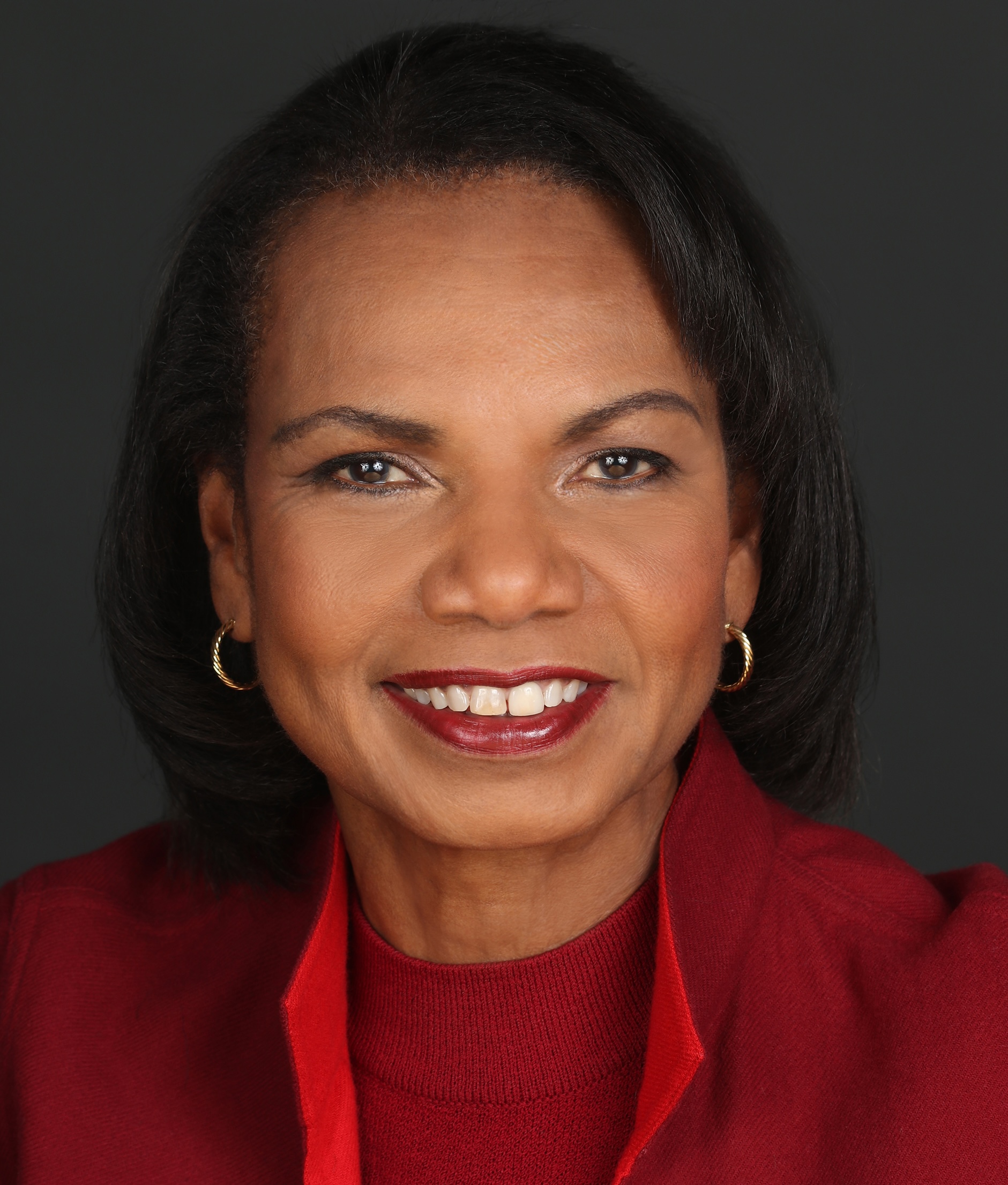
Condoleezza Rice is the Tad and Dianne Taube Director of the Hoover Institution and the Thomas and Barbara Stephenson Senior Fellow on Public Policy. In addition, she is a founding partner of Rice, Hadley, Gates & Manuel LLC, an international strategic consulting firm.From January 2005 to January 2009, Rice served as the sixty-sixth secretary of state of the United States. She also served as President George W. Bush’s national security adviser from January 2001 to January 2005. From February 1989 through March 1991, Rice served on President George H. W. Bush’s National Security Council staff. She served as Stanford University’s provost from 1993 to1999. She has been on the Stanford faculty since 1981 and has won two of the university’s highest teaching honors.
Gary Richardson is a professor of economics at the University of California, Irvine and a research associate at the National Bureau of Economic Research. From 2012 to 2016, he served as the first official historian of the Federal Reserve System. Richardson’s research asks how central banks and financial institutions influence the economy. A focus of his research is the causes and consequences of the banking panics during the Great Depression. He also works on the legal and political origins of Fed independence, the benefits of having independent financial regulators, and the origins of industrialization in England.
Kenneth Rogoffis Maurits C.Boas Professor at Harvard University and former chief economist at the International Monetary Fund. His influential 2009 book with Carmen Reinhart, This Time Is Different: Eight Centuries of Financial Folly (Princeton University Press, 2009), shows the remarkable quantitative similarities across time and countries in the roots and aftermath of financial crises. Rogoff is also known for his pioneering work on central bank independence and on exchange rates. His syndicated global economy column is published in over fifty countries. Rogoff’s recent book Our Dollar, Your Problem: An Insider’s View of Seven Turbulent Decades of Global Finance explores the postwar rise of the dollar and the challenges ahead and argues that the period of reliably low interest rates and inflation has likely ended.
Paola Sapienza is the J-P Conte Family Senior Fellow at the Hoover Institution, where she codirects the JP-Conte Initiative on Immigration and is a founding member of the Hoover Program on the Foundations of Economic Prosperity. She is finance professor emerita at Northwestern University’s Kellogg School of Management, where she served on the faculty for more than twenty-five years. Her research spans corporate governance, financial development, political economy, culture, and the economics of immigration. She is affiliated with the National Bureau of Economic Research, the Center for Economic Policy Research, and the European Corporate Governance Institute. Her work has been published in leading journals and has been widely featured in major media outlets.
Christina Skinner is currently serving as deputy assistant secretary for the Financial Stability Oversight Council at the US Department of the Treasury. She is on leave from The Wharton School, University of Pennsylvania, where she is an associate professor with tenure. Skinner is an expert on central banking and financial policy with an international and comparative focus. She previously worked in the Bank of England’s legal directorate. Skinner has a JD from Yale Law School and an AB from Princeton University School of Public and International Affairs, where she also holds the equivalent of a minor in Spanish language and culture and European politics and society.
Christopher J. Waller took office as a member of the Board of Governors of the Federal Reserve System on December 18, 2020, to fill an unexpired term ending January 31, 2030. Prior to his appointment at the board, Waller served as executive vice president and director of research at the Federal Reserve Bank of St. Louis since 2009. In addition to his experience in the Federal Reserve System, Waller served as a professor and the Gilbert F. Schaefer Chair of Economics at the University of Notre Dame. He was also a research fellow with Notre Dame’s Kellogg Institute for International Studies. From 1998 to 2003, Waller was a professor and the Carol Martin Gatton Chair of Macroeconomics and Monetary Economics at the University of Kentucky. During that time, he was also a research fellow at the Center for European Integration Studies at the University of Bonn. From 1992 to 1994, he served as the director of graduate studies at Indiana University’s Department of Economics, where he also served as associate professor and assistant professor. Waller received a BS in economics from Bemidji State University and an MA and PhD from Washington State University.
David Wilcox served for over thirty years on the staff at the Federal Reserve Board, including as director of the Division of Research and Statistics. In the middle of that service, he resigned from the board to serve as Treasury assistant secretary for economic policy. He was a PhD student at MIT and wrote his dissertation under the supervision of Stanley Fischer.
Carolyn Wilkins is a senior adviser with Princeton’s Griswold Center for Economic Policy, where she is also a visiting lecturer in the Economics Department. Wilkins is also an external member of the Bank of England’s Financial Policy Committee. She had a distinguished twenty-year career at the Bank of Canada, serving as senior deputy governor from 2014 to 2020, setting monetary and financial system policies, and serving as G7 and G20 deputy and member of the Financial Stability Board.

![Cochrane_2023_0194[1]-cropped](https://go.hoover.org/hubfs/Cochrane_2023_0194%5B1%5D-cropped.jpg)